Why Do Kids Get Cavities? A Dentist Explains the Causes and Prevention
• 8 min read • By Dr Sajitha S
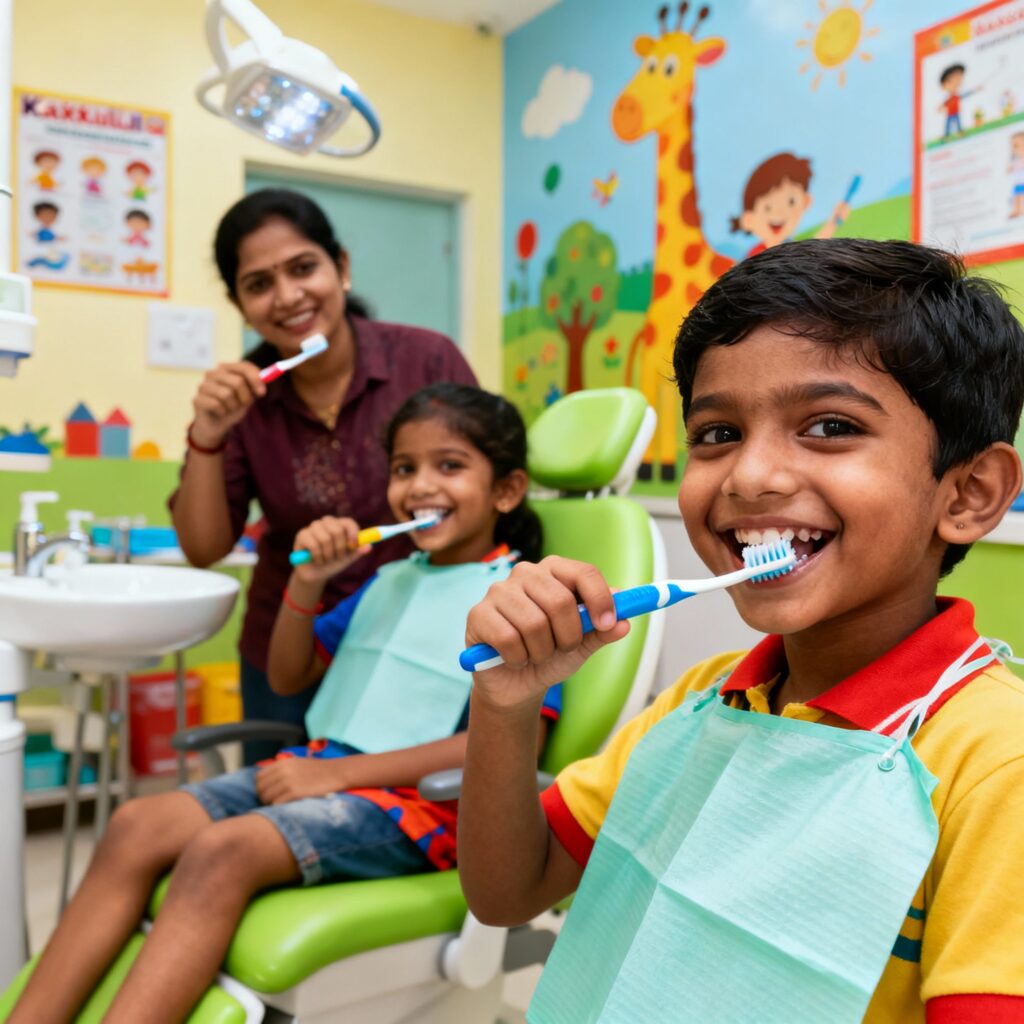
Why Do Kids Get Cavities? Understanding the Common Causes and How Parents Can Prevent Them
As a parent, few things are more concerning than seeing your child suffer from a toothache. Cavities, or dental caries, are among the most common dental problems in children. Despite regular brushing and healthy habits, many kids end up visiting the kids dental clinic in Kayamkulam due to tooth decay.
At The Dental Studio, we often hear parents ask, “Why does my child still get cavities even though we brush every day?” The truth is, several small habits and lifestyle factors—such as bottle feeding, sugary snacks, and brushing without supervision—can lead to cavities even in very young children.
Let’s look at the reasons behind kids’ cavities and how you can protect your child’s smile at home.
What Are Cavities and Why Do They Form?
Cavities form when harmful bacteria in the mouth break down sugars from food, producing acids that erode tooth enamel. Over time, this acid attack causes holes or soft spots on the teeth. In children, where enamel is thinner, decay can progress quickly if left unchecked.
Even though tooth decay is common, it’s entirely preventable with the right habits, timing, and care from the best dental clinic in Kayamkulam.
1. Bottle Feeding and Nursing Bottle Caries
One of the lesser-known culprits of early childhood cavities is prolonged bottle feeding. Many toddlers are sent to bed with milk or formula bottles. This constant exposure to milk sugar (lactose) allows bacteria to thrive overnight, especially when saliva flow drops during sleep.
This pattern leads to a condition known as nursing bottle caries, often seen on the upper front teeth. Parents might notice brown or black spots, sensitivity, or even broken teeth in severe cases.
Tips for Parents:
- Avoid giving bottles of milk, juice, or formula at bedtime.
- Encourage cup drinking by the age of one.
- Wipe your baby’s gums with a clean, damp cloth after every feed.
- Schedule early dental visits – ideally by your child’s first birthday at a kids dental clinic in Kayamkulam.
2. Sugary Food and Drink Intake
Frequent snacking on sugary foods is a major reason kids develop cavities. Every time your child eats sugar, bacteria produce acid that attacks the teeth for up to 20 minutes. When sugary foods or drinks are consumed multiple times a day, teeth don’t get a chance to recover.
Popular treats like biscuits, candies, fruit juices, and flavored milk are all sugar-rich. Even foods that seem healthy, like packaged juices or flavored yogurts, can have hidden sugars.
Better Alternatives:
- Choose fresh fruits, vegetables, and cheese for snacks.
- Encourage water instead of sugary beverages.
- Offer sweets only occasionally and preferably with meals.
- After eating sweets, ensure brushing or rinsing with water to minimize damage.
At The Dental Studio, our pediatric dentists teach parents about balanced dietary habits—helping kids avoid decay while still enjoying their favorite foods in moderation.
3. Improper Brushing Habits
While almost every parent ensures their child brushes daily, the technique and timing often need improvement. Poor brushing allows food particles to remain on teeth, especially on molars and near the gumline.
Common issues we see include:
- Kids brushing for less than two minutes.
- Skipping the night-time brushing routine.
- Using toothpaste without enough fluoride.
- Not reaching back teeth while brushing.
Simple solutions:
- Brush for at least two minutes, twice daily.
- Use a pea-sized amount of fluoride toothpaste after age 3.
- Introduce fun brushing songs or timers for motivation.
- Replace toothbrushes every 3 months or sooner if bristles fray.
A visit to your dentist near me can help demonstrate proper brushing techniques customized for your child’s age and dental development.
4. Brushing Without Parental Supervision
Many parents hand over the toothbrush too early, assuming their child is brushing effectively. Research shows children under 7 often lack the coordination to reach every tooth surface properly. When brushing goes unsupervised, plaque buildup quickly leads to cavities.
Even if your child insists on brushing independently, it’s important to participate in the process.
Practical guidance:
- Supervise brushing until at least age 7 or 8.
- Brush together — make it a family activity.
- Inspect your child’s teeth after brushing to check for missed spots.
- Encourage morning and bedtime routines for consistency.
Supervised brushing ensures that plaque is effectively removed and allows parents to spot any early signs of decay or gum issues before they worsen.
5. Poor Oral Hygiene Routine
Beyond brushing, total oral hygiene includes flossing, rinsing, and periodic dental visits. Skipping these steps creates opportunities for cavities to grow unnoticed.
Kids often have food trapped between molars, which regular brushing might miss. Without flossing, bacteria can spread between teeth and create painful cavities later.
Checklist for better oral care:
- Start flossing once teeth touch each other.
- Rinse after every meal.
- Replace toothbrushes every three months.
- Book regular check-ups at the best dental clinic in Kayamkulam to keep smiles cavity-free.
Routine checkups allow early detection and painless treatment. Preventive measures like fluoride applications and dental sealants can greatly reduce cavity risk.
6. Genetic and Environmental Factors
Sometimes, despite excellent care, children still develop cavities. Genetics can play a role in enamel strength, tooth structure, and saliva quality. Environmental factors such as local water fluoride levels or certain medications can also impact decay risk.
Your dentist near me can perform a risk assessment and suggest preventive measures tailored to your child’s unique needs—such as fluoride varnishes, dietary counseling, or professional cleanings.
7. Lack of Regular Dental Visits
Parents often assume dental visits are only necessary when problems appear. However, preventive visits are far more effective. Visiting a kids dental clinic in Kayamkulam every six months ensures early detection and professional cleaning, which drastically lowers cavity risk.
During each visit, your pediatric dentist can:
- Examine for early signs of cavities.
- Apply sealants on newly erupted molars.
- Recommend fluoride treatments to strengthen enamel.
- Teach children correct brushing and flossing techniques.
- Guide parents on proper diet and oral care routines.
The first dental appointment should be by your child’s first birthday or within six months after the first tooth erupts. Early visits teach kids that dental care is a normal and positive experience.
8. Importance of Parental Awareness
Children rely on parents for guidance in every aspect of health, including oral hygiene. When parents take the time to learn proper techniques and create healthy habits early, cavities become far less common.
Key takeaways for parents:
- Never send your child to bed with milk or juice.
- Limit frequent snacking on sweets.
- Supervise brushing every day until your child can do it correctly.
- Schedule biannual check-ups at a trusted kids dental clinic in Kayamkulam.
- Teach the importance of oral hygiene through fun activities and rewards.
By practicing these small steps consistently, you can protect your child from dental pain, costly treatments, and long-term damage.
9. Prevention Is Easier Than Treatment
Preventing cavities is always simpler—and less stressful—than treating them. Modern dentistry offers several preventive dental procedures that are quick, painless, and highly effective:
- Fluoride varnish: Strengthens enamel and prevents decay.
- Dental sealants: Protective coatings on molars that block bacteria from entering tiny grooves.
- Professional cleanings: Remove hardened plaque that regular brushing misses.
- Cavity risk assessment: Personalized plans for high-risk kids.
Regular care at the best dental clinic in Kayamkulam ensures your child receives all necessary preventive treatments early, saving them from discomfort later.
10. When to Visit a Dentist Near You
If your child complains of tooth pain, sensitivity while eating, or visible discoloration, it’s time to visit a dentist near me immediately. Early intervention prevents the spread of decay and minimizes the need for complex treatments like fillings or crowns.
Watch out for:
- White or brown spots on teeth.
- Persistent bad breath.
- Food getting stuck frequently.
- Visible pits or holes in teeth.
Don’t wait until pain becomes severe. Pediatric dentists are trained to make dental visits fun and stress-free, ensuring your child develops a positive attitude toward oral care for life.
Final Thoughts: Building Cavity-Free Smiles in Kayamkulam
Childhood cavities may be common, but they’re far from inevitable. Healthy habits begin at home—with conscious feeding practices, supervised brushing, and regular professional check-ups.
At The Dental Studio – Kids Dental Clinic in Kayamkulam, we specialize in gentle care for every stage of your child’s dental journey. Whether it’s treating nursing bottle caries, guiding on brushing routines, or helping manage sweet cravings, our pediatric experts ensure every visit helps build a stronger smile.
If you’re searching for a dentist near me who truly understands kids’ dental needs, book an appointment today at The Dental Studio, the best dental clinic in Kayamkulam for family and pediatric care.
Your child’s happy, healthy smile starts with small daily habits—and a little professional support along the way.
Leave a Reply